



Real Talk! Language. Power. World.
Expotizer accompanying the exhibition at Museum of Communication Berlin
6 November 2026 to 27 February 2028
Multilingualism reflects a world in which languages meet, change, and influence one another. They preserve stories and knowledge, shape identities, and open up different perspectives. At the same time, linguistic diversity can’t be taken for granted: languages are displaced, banned, and lost. Where languages meet, it is not only about understanding, but also about belonging, exclusion, and power.
The exhibition Real Talk! Language. Power. World. places multilingualism and linguistic diversity at its centre, reinforcing them as a key social resource. It explores language from historical and contemporary perspectives: as an expression of identity, a contact zone between people and cultures, an instrument of power, and a site of technological change.
Languages preserve stories and knowledge, shape identities, and open up different perspectives. But linguistic diversity can’t be taken for granted: languages are displaced, banned, and lost. And where languages meet, it is not only about understanding, but also about belonging, exclusion, and power. The exhibition ranges from the passing on of stories and knowledge, through multilingualism and language biographies, to new forms of digital communication and the possibilities of artificial intelligence. This is where the real talk begins!
How do you use language in everyday life? Are you multilingual? What do words, languages, and ways of speaking mean to you? With additional background information, videos, interactive quizzes, and other multimedia content, this page invites visitors to explore selected exhibition topics in greater depth from six different perspectives:
Language Worlds
What Do We Tell Each Other?
What shapes language, how has it developed, and what do we tell one another? Language can be spoken, signed, written or experienced through touch – from sounds, gestures and facial expressions to writing and physical contact. It enables us to ask questions, pass on knowledge, build relationships and understand the world.
The origins of human language are largely unknown. Today there are around 7,000 languages worldwide (as of May 2026), belonging to different language families. They have developed over a long period of time and continue to change.
How are stories, knowledge and memories passed down through the generations? For thousands of years, people have been recounting myths, legends and stories orally. Rhymes and rhythms help to preserve narratives in the memory and pass them on.

Why can’t we talk to animals?
A legend of the Ka’apor people of Brazil explains why humans and animals cannot speak to one another. An unusual bond between a woman and the warrior frog Kanawaru leads to misunderstandings between their families. They sever all contact. That is why humans cannot speak to frogs, but can only hear their calls in the forest.
Parrot House Podcast, Episode 1: A Story and a Song
How can we get to know the world around us more deeply and intimately than we usually do? The answer lies in listening. Listening to stories. Video credit: Centre for Contemporary Folklore, India.
Creation Myths
How did the world come into being, and where does our language come from? Creation myths and religious traditions from various cultures explore these questions. The objects on display here illustrate different conceptions of the origin of language, its significance and its diversity.

Copy, 20th century
© Museumsstiftung Post und Telekommunikation
Hermes is not only the messenger of the gods. As herald, mediator and god of eloquence, he stands for the delivery, interpretation and negotiation of language between different worlds.
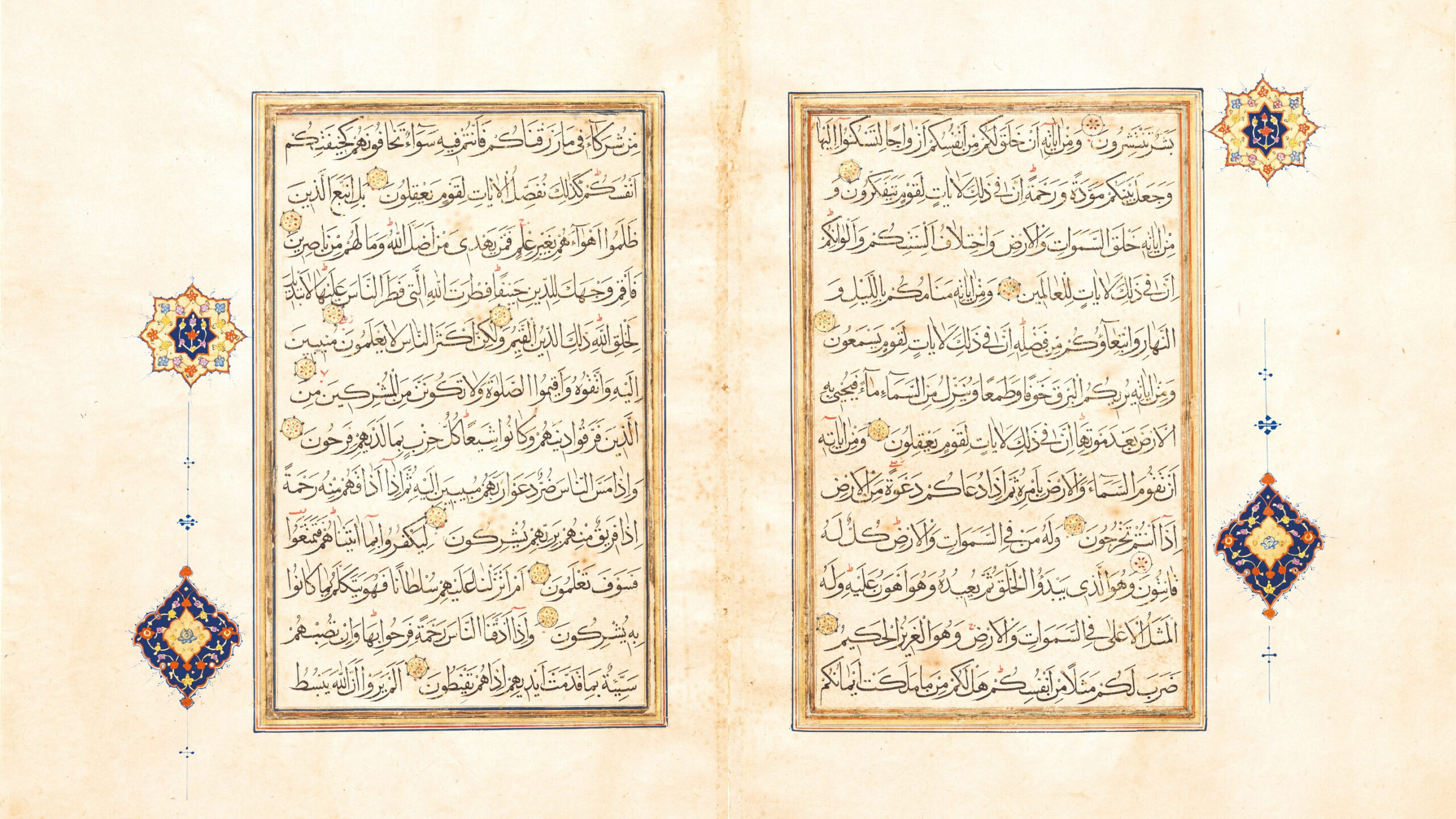
Shiraz, Iran, 1560-1570 (reproduction)
Staatliche Museen zu Berlin, Museum of Islamic Art / Christian Krug
The Quran regards language as a divine gift. God teaches Adam the names of all things. Language thus appears from the very beginning as a faculty given to humankind. The diversity of languages is not seen as a punishment or a loss. Rather, it shows the richness of divine creation.
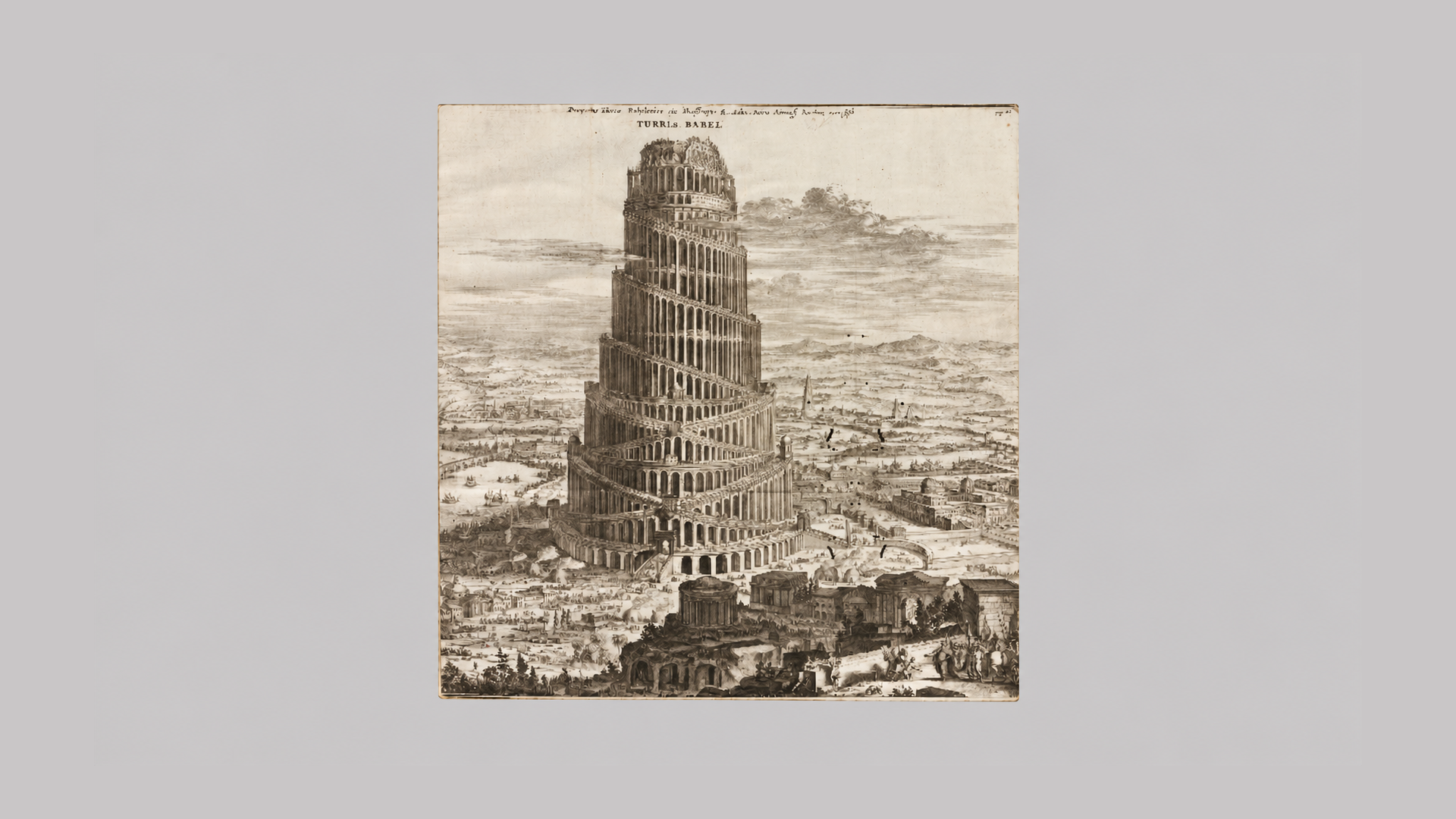
© Bible Museum of the University of Münster
In this book, Kircher takes up the biblical story of the Tower of Babel. He treats the biblical account of the origin of linguistic diversity as a subject of scientific study. In doing so, Kircher attempts to explain the origins of language, the relationships between languages and the emergence of language families.

© Museumsstiftung Post und Telekommunikation
In Vedic texts, Saraswati is mentioned as a mighty river and as a symbol of purity and creative thought. Later she is associated with the goddess Vāc, the personification of divine speech. Today, Saraswati is regarded as the patron of knowledge, education and language.
Oral tradition through music
Stories and heroic tales are often conveyed through music. Melodies and rhythms help people to memorise long texts more easily and pass them down through the generations. One example is the gusle, a traditional, usually single-stringed stringed instrument from South-Eastern Europe. For centuries, it has been used to accompany narratives of historical events.
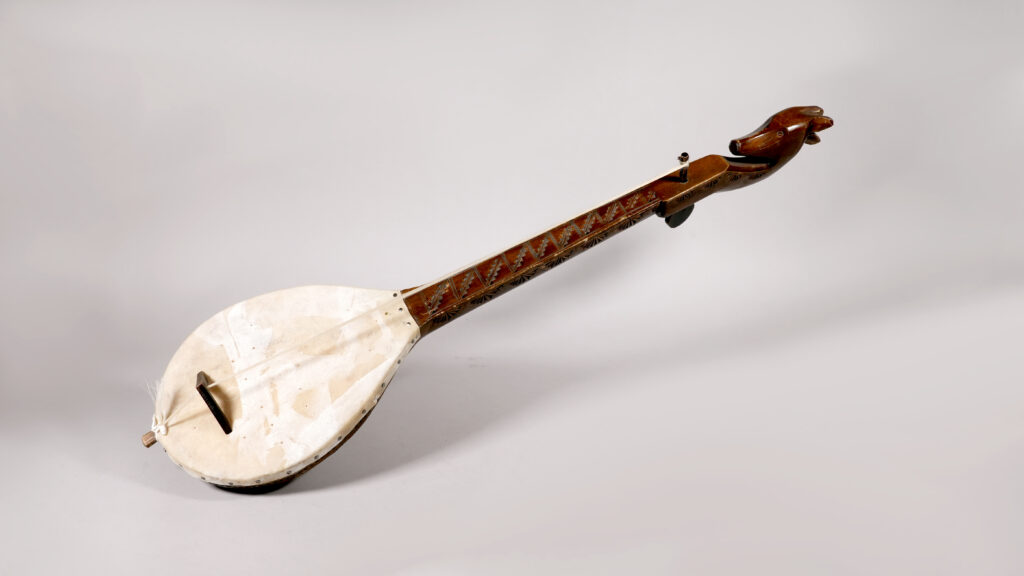
© Museumsstiftung Post und Telekommunikation
Even today, stories are passed down orally. At the same time, the culture of storytelling has expanded to include written records and digital formats. On social media, we express ourselves through Reels, memes and comment sections. The need to understand the world and pass on our knowledge remains. Yet the ways in which stories, knowledge and memories are passed down are changing.
Diversity
How does the world speak?
In most countries, several languages are spoken. Multilingualism preserves knowledge, stories and cultural practices that are closely linked to the respective languages. Where several languages come together, different experiences, concepts and perspectives meet. Linguistic diversity broadens perspectives and shapes a vibrant society.
At the same time, language is an inexhaustible source of creativity. With a limited number of symbols, countless poems, songs and even new languages are created. People play with language, transform it and develop new forms of expression. Language can thus convey new ideas, build communities and continually give rise to new worlds.

How diverse is the world’s language landscape?
More than half of the world’s population speaks two or more languages. An increasing number of children are growing up multilingual. Multilingualism is by no means a modern phenomenon: evidence from antiquity and the Middle Ages shows that different languages have always co-existed.
In the Early Modern Period (from 1500 onwards), textbooks for foreign languages spread throughout Europe. Through trade, travel and wars, oral proficiency in foreign languages became increasingly important for the nobility, craftsmen and merchants, as well as soldiers, students and other travellers. One example of this is the Gazophylacium Decem linguarum Europaearum (Newly Opened Treasure Chest of the Ten Most Distinguished Languages in [Europe …]) by Christophoro Warmern (1691).
Germany, too, is more linguistically diverse than it appears at first glance. Alongside Standard German, numerous dialects and minority languages are spoken. German Sign Language is also part of this linguistic diversity. Multilingualism continues to grow as a result of mobility and migration. However, not all languages and language forms are valued equally.
Multilingualism has a long history!
More than 4,000 years ago, texts were already being written in Sumerian and Akkadian in Babylonia. Whilst Akkadian was used in everyday life and administration, Sumerian remained the language of scholars and religion. In China during the Ming Dynasty (1368–1644), multilingual dictionaries were compiled to facilitate communication with neighbouring empires. These included, amongst others, Mongolian, Persian and Thai terms. Even today, multilingualism is evident in many countries. The following three objects illustrate how, over the course of millennia, people have used different languages to live together, trade and communicate.
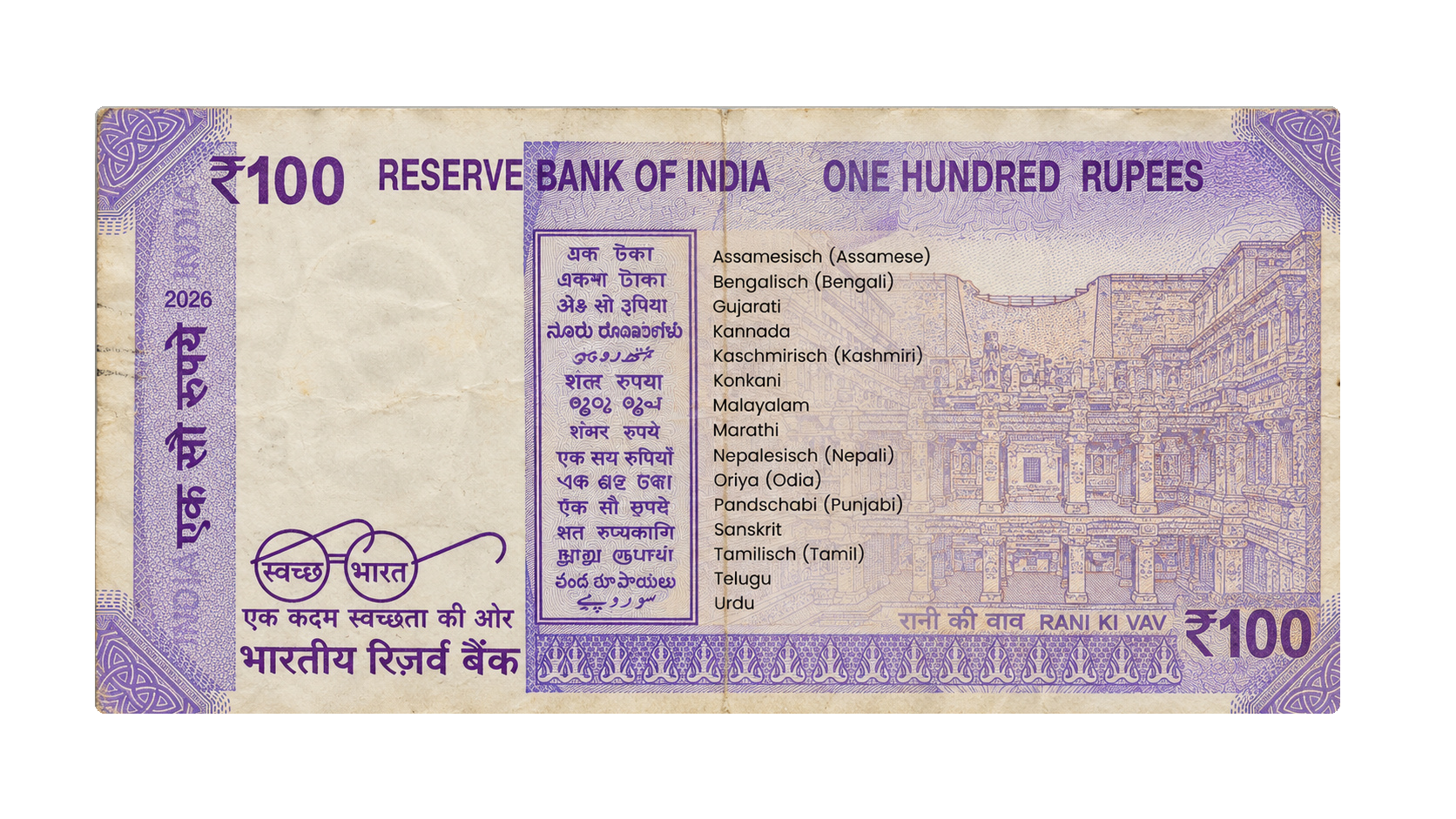
© Museumsstiftung Post und Telekommunikation
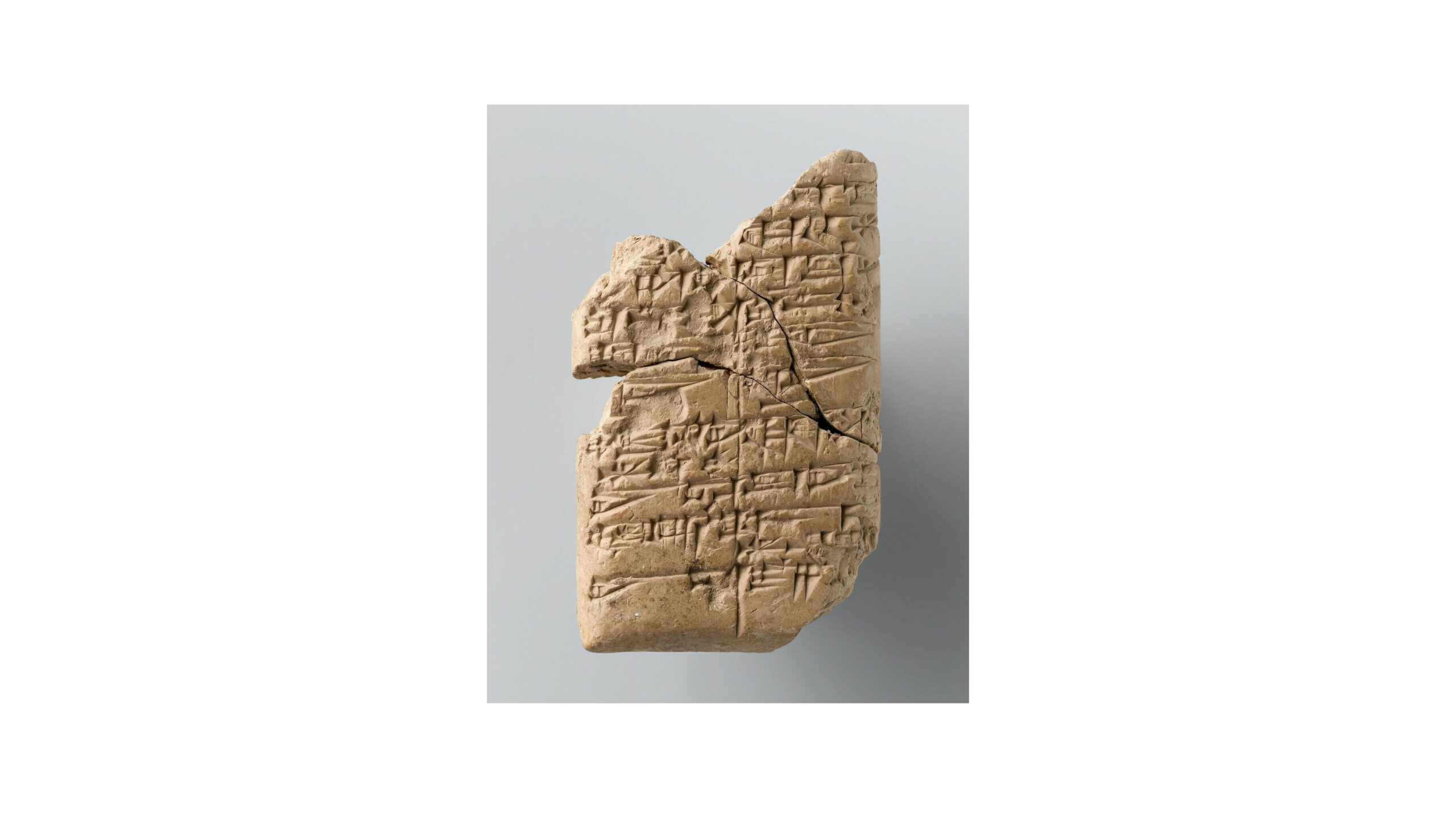
Image credit: © GrandPalaisRmn (Musée du Louvre) / Jean-Gilles Berizzi
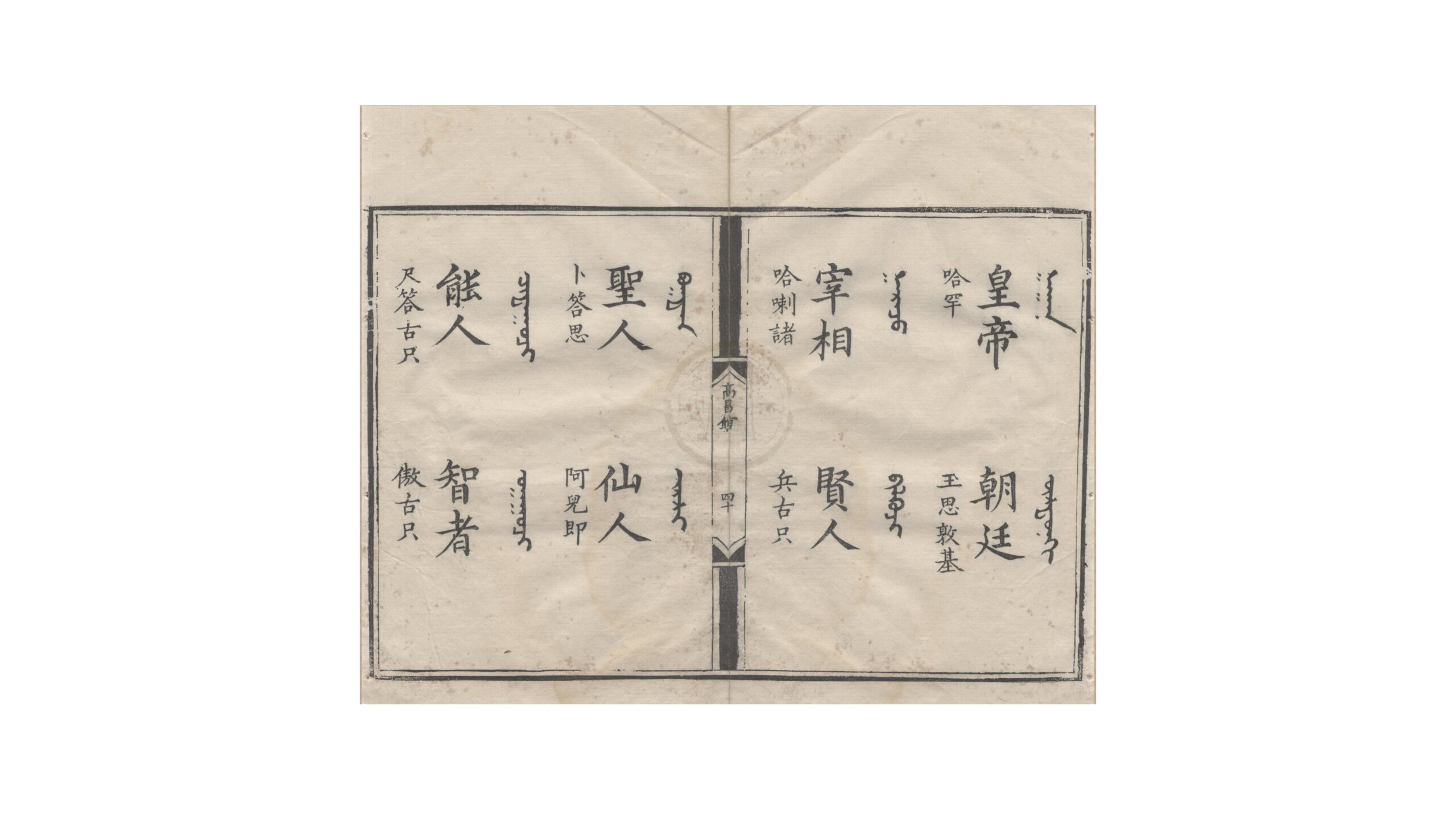
Tianyi Pavilion Museum, Ningbo
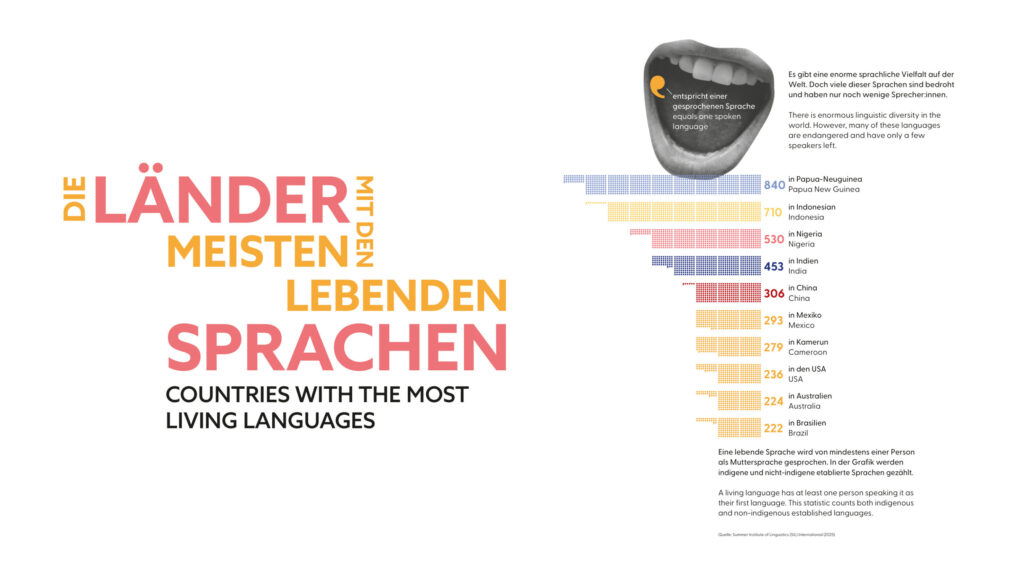
Countries with the most living languages
There is enormous linguistic diversity in the world. However, many of these languages are endangered and have only a few speakers left. Alongside the languages actively spoken today, there are numerous languages, which are often spoken by only a few people, as well as languages that have already become extinct. When a language disappears, knowledge of the history, culture and way of life of its speakers is often lost with it.
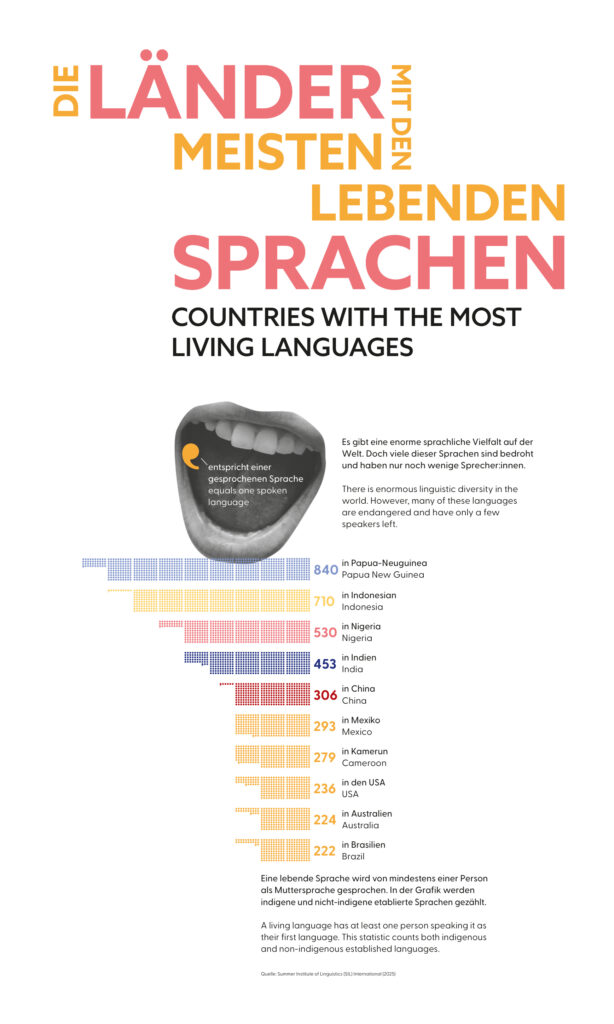
How creatively does the world express itself?
Language can be used creatively in many different ways. In poetry, linguistic imagery and metaphors are created through which people express their feelings. Whether in ancient poetry or contemporary pop songs, emotions such as longing, admiration, desire and heartbreak are constantly being put into words in new ways. Love, in particular, has inspired people for centuries to play with language and find new forms of expression.
Love songs show just how differently people put their feelings into words – and how universal the themes of love, longing and heartbreak are at the same time.
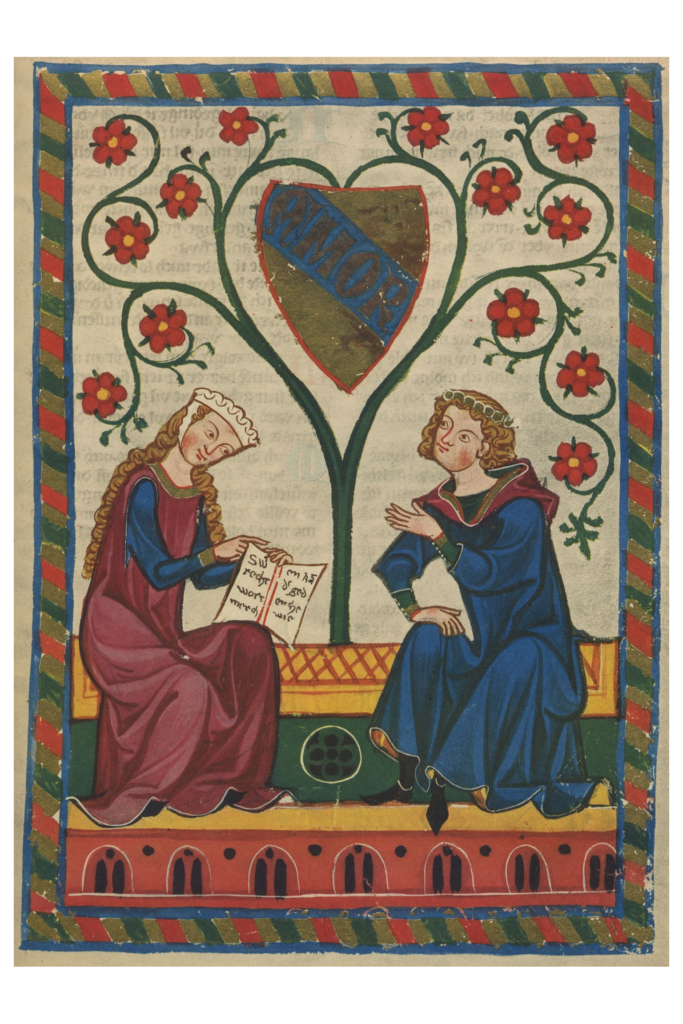
Zurich, c. 1300 to c. 1340, Heidelberg University Library
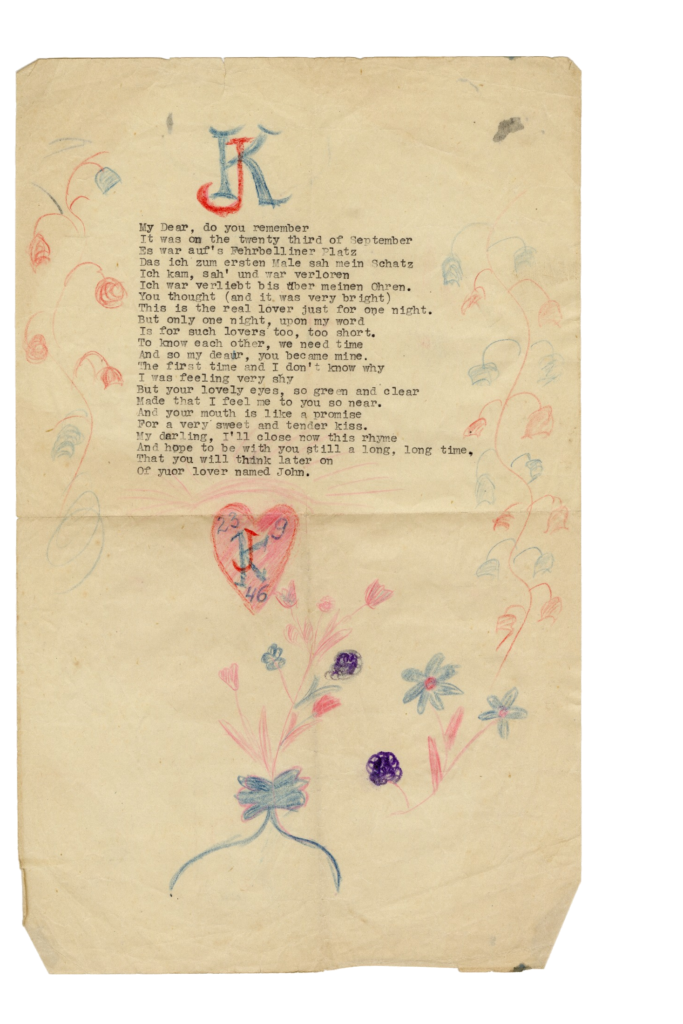
23 September 1946 © Museumsstiftung Post und Telekommunikation
Linguistic creativity is also evident in constructed or artificial languages. These are deliberately developed and follow their own rules. Some were created to facilitate international communication, such as Esperanto. Others were devised for literature, film or television series and have given rise to their own communities, such as Klingon. Constructed languages turn language into an experiment and demonstrate how people can use language to create new forms of expression and even new worlds.
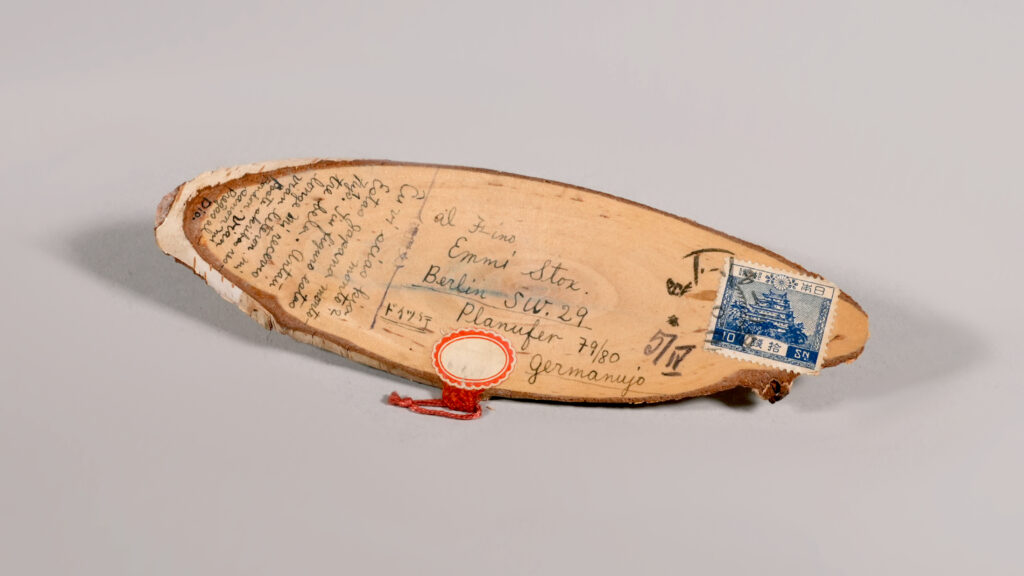
© Museumsstiftung Post und Telekommunikation
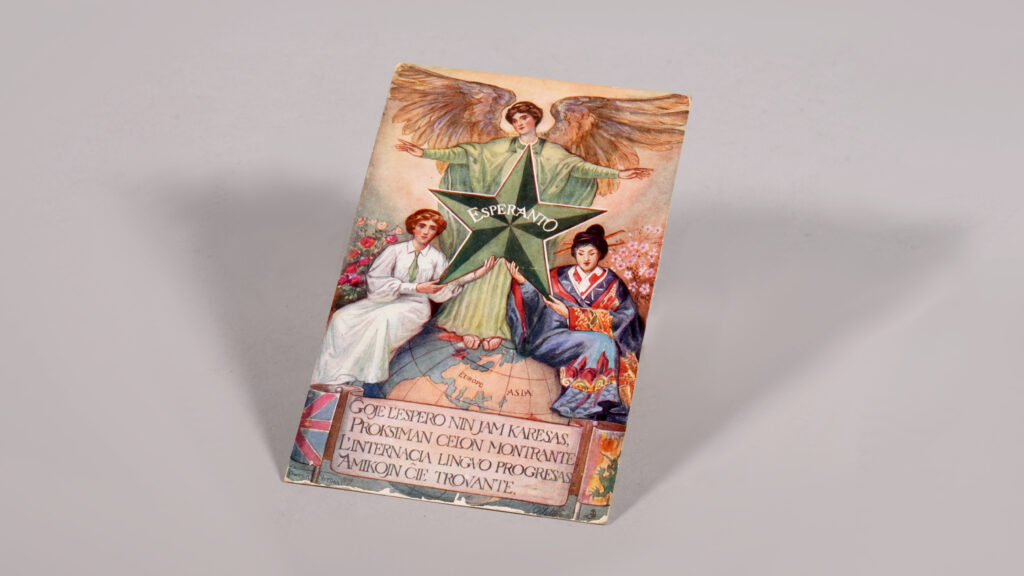
© Museumsstiftung Post und Telekommunikation
Identities
How do we speak?
The way we speak is closely linked to our identity. Language reveals where we come from, the groups to which we feel we belong, and how we would like to be perceived by others. Our personal linguistic world encompasses languages, dialects, ways of speaking and different linguistic styles. We switch between them depending on the situation – we speak differently at home than we do at work or at a government office. For many people, mixing several languages is also part of everyday life. In this way, we are all multilingual in our own different ways.
Language biographies
Language biographies highlight just how closely language, life journeys and identity are intertwined. They tell the stories of the languages that shape us, of shifts in language use, and of how our linguistic repertoire changes over the course of our lives.
In the following videos, people talk about the role different languages play in their lives. Their stories deal with belonging, multilingualism, migration and political upheavals. (Project funded by the Friede Springer Foundation, 2026.)
Youth Language
Language is not static. It changes over the course of a lifetime and adapts to new life situations, social changes and cultural influences. This is particularly evident in youth language and, in the digital sphere, in the meme culture on social media: young people invent new words, alter meanings and develop their own ways of expressing themselves. Pop culture, digital media, gaming and multilingual environments all influence these forms of language.

Contact
How do we learn a new language?
For thousands of years, people have been trying to overcome language barriers. By learning new languages, translating and interpreting, people connect with one another and foster mutual understanding. Even in ancient times, interpreting and translating were practised professionally. Language skills were particularly important for trade and diplomacy. At the same time, discussions were already taking place back then about how freely a translation could be rendered and how closely it should adhere to the original. Historical textbooks also show that, as far back as 500 years ago, learners were already afraid of making mistakes whilst learning a foreign language.
Today, technological advances seem to be making language barriers almost disappear. Apps, translation programmes and chatbots can translate texts and conversations in a matter of seconds. But how are these technologies changing the way we communicate? And is it still worth learning languages?
We understand one another through learning a foreign languages!
Language skills create access. They help us when travelling, at work, or in discovering our own identities and those of others. With every new language, our world expands a little further. After all, learning a language is about more than just vocabulary and grammar: every language also contains cultural knowledge that opens up new perspectives on people and their worlds.
Teaching and learning methods have changed over time. Textbooks and technical aids are designed to make learning foreign languages easier. Yet one thing remains true today as it was in the past: learning a new language takes courage and time. Emotions such as joy, uncertainty, pride and shame are all part of the learning process. The following objects show how foreign languages have been learnt over the years.
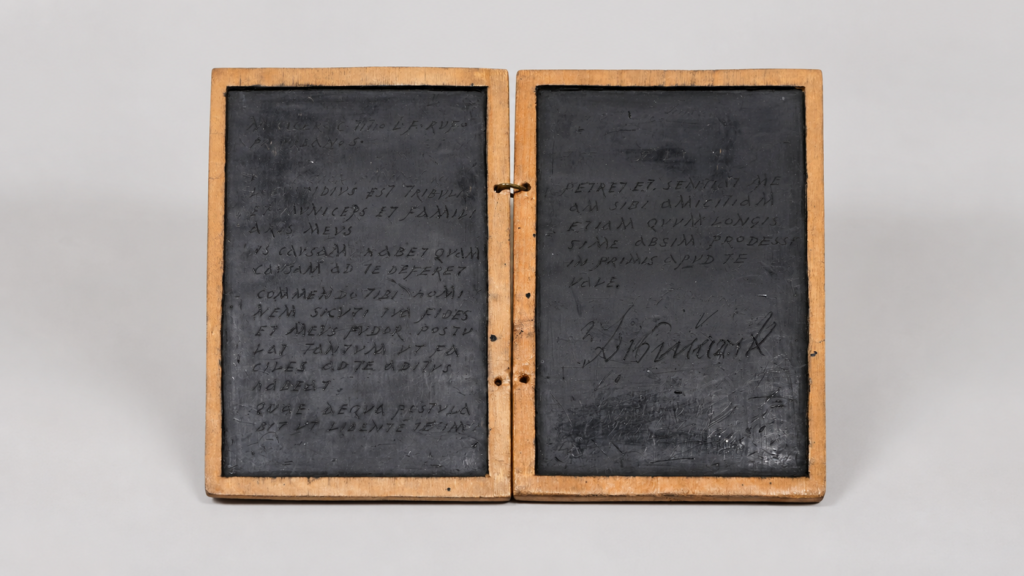
Copy, 1880s
© Museumsstiftung Post und Telekommunikation
In the 19th century, Latin and Greek were the main subjects taught at secondary schools. Lessons focused on grammar and translation. Pupils practised vocabulary and sentence structure in written form. Spontaneous speaking played hardly any part.
© Museumsstiftung Post und Telekommunikation
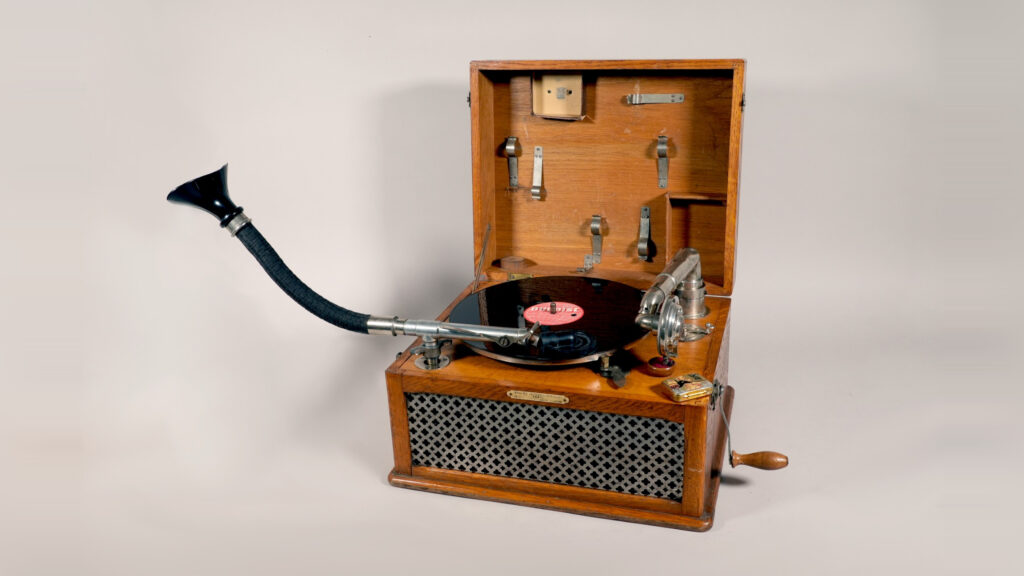
In the 20th century, listening to and speaking modern languages became a greater focus of language teaching. The gramophone was part of the equipment used at the ‘Écoles Internationales Paris. Enseignement des langues vivantes’. The device helped students with their pronunciation. They could even record themselves using it.

© Museumsstiftung Post und Telekommunikation
This device is designed to enable learning whilst sleeping. A popular example is learning a new language. The audio track is played back whilst the user sleeps via a timer and is said to increase the rate of learning by 20 to 50 per cent. To date, this effect has not been scientifically proven.
© Museumsstiftung Post und Telekommunikation
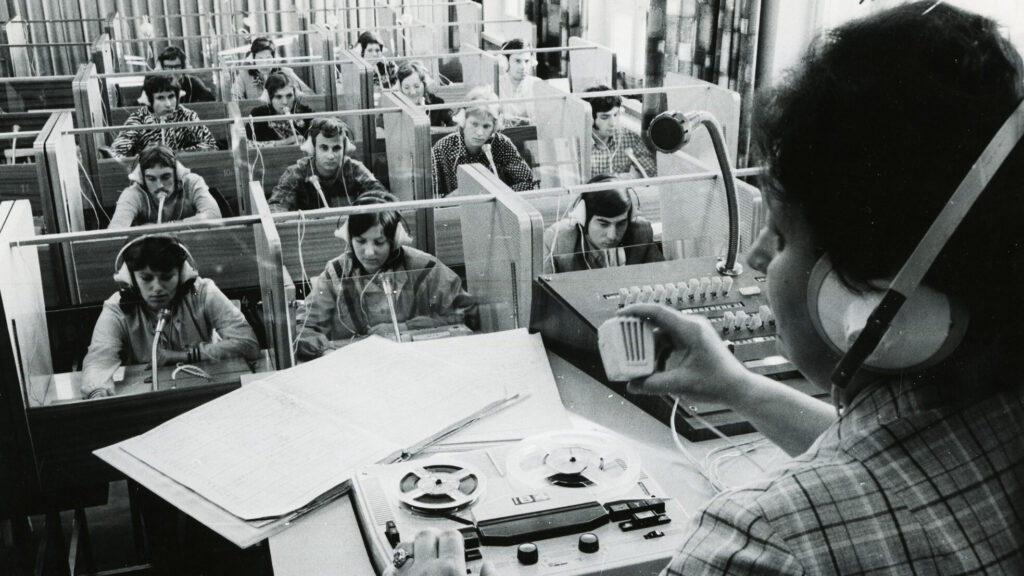
In the language laboratory, pupils learn using headphones, microphones and audio recordings. They listen to language recordings, repeat what they hear and can record their own voices. This helps to develop their listening comprehension and pronunciation.
© Museumsstiftung Post und Telekommunikation
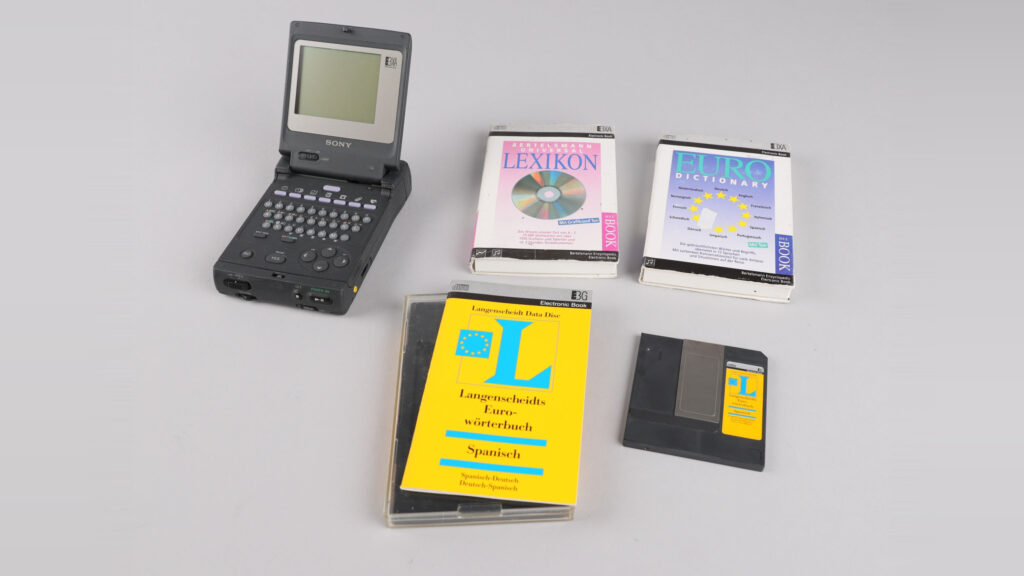
The previous owner was given the Data Discman as a present when she passed her A-levels. She took it with her on a language study trip to Madrid and used it to access an electronic Spanish dictionary. However, her enthusiasm did not last long. When studying, the traditional dictionary is often quicker to hand than the e-book reader.
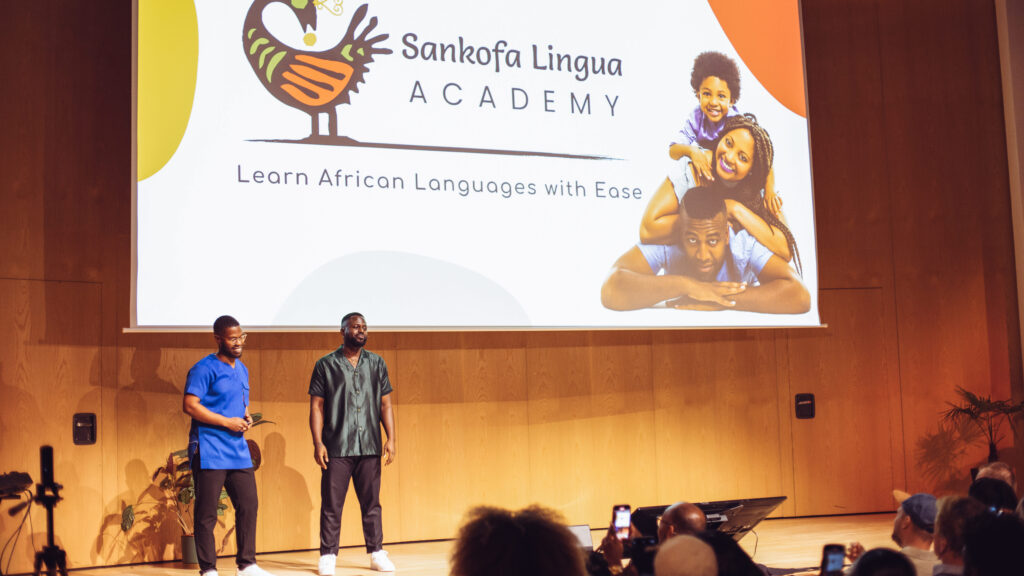
The Sankofa Lingua Academy is committed to making African languages accessible through language courses and digital learning resources. In doing so, it helps to strengthen the transmission of language and cultural knowledge, particularly within the African diaspora. At the AiDiA Pitch 2023 in Hamburg, the team from the Sankofa Language School presented an innovative language-learning app and won second place.
How do we understand one another through interpreting and translation?
The translation and interpretation of language involves more than simply transferring words from one language to another. Those who translate or interpret also analyse. Historically, the position of interpreters has often oscillated between power and mistrust. Their language skills have enabled them to play an important role in political, diplomatic and social contexts.
Today, mechanical translation and artificial intelligence are fundamentally changing the fields of translation and interpreting. Digital systems can translate texts and conversations quickly and into numerous languages. However, just like humans, mechanical systems do not operate entirely neutrally. They interpret language on the basis of their data and technical processes, and in doing so may convey certain meanings or perspectives.
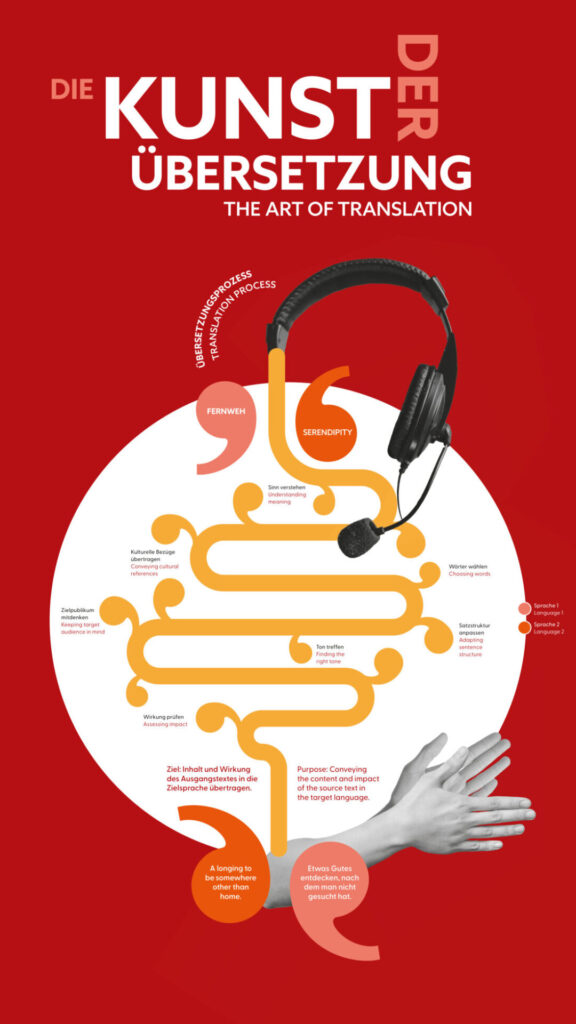
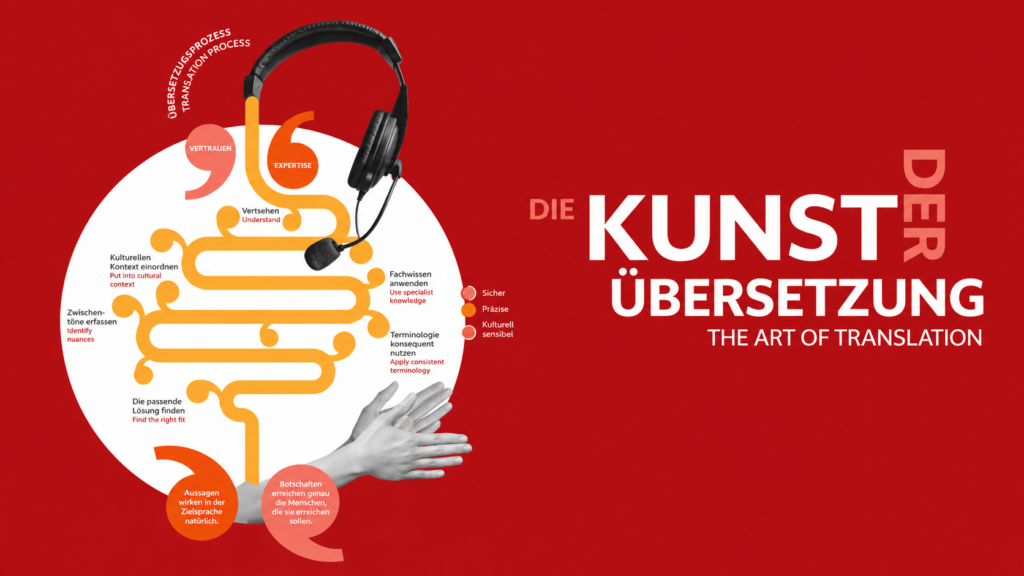
How does interpretation between sign language and spoken language work?
Interpretation involves far more than simply conveying individual words. Meaning, context, cultural knowledge and the different structures of sign language and spoken languages all play a central role. Christian Rathmann explains what skills are required for professional interpreting and translation, and why AI systems do not currently constitute an equivalent substitute for human interpreters.
When translating, cultural nuances and different ways of life must also be taken into account. Not every term has an exact equivalent in another language. Some words and expressions are therefore difficult or impossible to translate fully. They convey meanings, feelings or cultural concepts that may be absent in another language. Translation and interpreting therefore require more than just linguistic ability: they also require knowledge of cultural contexts, meanings and backgrounds.
What do the following words mean?
Choose a word and then the matching explanation. Correct pairs stay together; if your choice is incorrect, simply try again. (Keyboard: Tab to move to the next field, Shift + Tab to go back, Enter or Space to select.)
Round 1 of 2
Power
How powerful is language (online)?
The way we use language is crucial. Through language, we express our opinions, hopes and disappointments and share them with the world. The right words can influence our mood and spur us into action.
Language enables us to participate in social life and connect with one another.
The way we name things shapes our perception of the world. History shows that language and words can have consequences. Language is used to justify oppression, spread propaganda, and influence and manipulate people. At the same time, language can bring about social change. We can raise our voices in solidarity, criticise political decisions, highlight injustices and encourage others.
AlgoSpeak
‘Unalive’ instead of ‘dead’, ‘Panini’ instead of ‘pandemic’ or ‘Le$bi@n’ instead of ‘lesbian’: to circumvent algorithmic filters and potential restrictions on social media platforms, users deliberately alter their language. This way of expressing oneself, known as ‘AlgoSpeak’, makes use of substitute words, symbols and creative spellings. What originally served to circumvent automated content moderation is increasingly developing into a digital linguistic culture in its own right.
The AlgoSpeak Dictionary demonstrates just how diverse this new language is. The online dictionary invites users to discover these creative neologisms and their meanings.
Languages and the World Wide Web
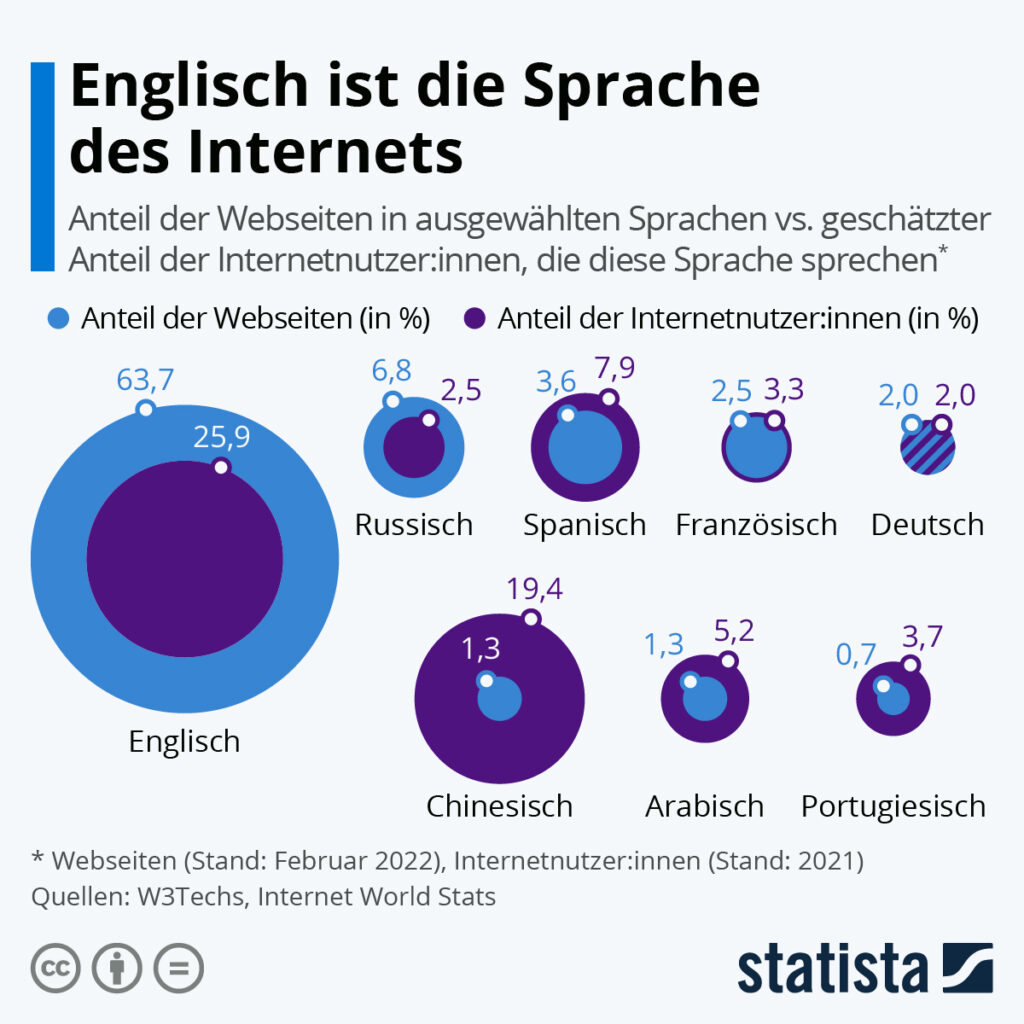
The Internet provides access to all kinds of information. News and important events are often shared online within seconds. Yet the Internet is not always accessible to everyone. What happens if you speak a language that is under-represented on the World Wide Web? And in which languages is information most likely to be published in the first place?
Language as an instrument of colonial power
The elevation of one language above others is also a political decision. Colonial administrations were aware of this effect. Through missionary work, education and judicial practice, they imposed their own languages in the colonies and suppressed local languages. Language thus became an instrument of colonial power and domination.
Resistance takes many forms. Activists continue to speak local languages, use the languages of the colonial powers for political criticism, or reject linguistic hierarchies on principle. The colonial legacy lives on to this day in the widespread use of colonial languages. At the same time, there are numerous efforts to reclaim, preserve and revive lost or suppressed languages.
Suppression of linguistic diversity – colonialism and national movements in Europe
For thousands of years, people have been exploring the world. Advances in navigation and shipbuilding made it possible to travel ever further across the oceans. As early as the 17th century, the outlines of the continents and oceans could be depicted on globes with a high degree of accuracy.
The voyages of discovery of the 18th century expanded geographical knowledge from a European perspective and fostered global trade and exchange between the continents. At the same time, they paved the way for colonial conquests, which were accompanied by the subjugation and destruction of cultures and habitats, as well as the suppression of local languages. The globe from 1808 shows the routes taken by geographical explorers, predominantly during the 18th century.
Language as an instrument of political power
Political language can reinforce hierarchies and shape social perceptions. Nationalist movements in the 19th century turned language into a means of demarcation. Linguistic diversity was combated and a notion of linguistic purity was propagated. Under National Socialism, terms were deliberately altered, books were burnt and a rhetoric of violence was created.
Even today, worldviews are conveyed through language. Those in power use catchphrases, slogans and political rhetoric to communicate their positions and push through political objectives. Yet political language does not go unchallenged. Resistance movements and civil society groups make deliberate use of language to voice criticism and highlight social injustices.
How does language affect social participation?
Access to information is guaranteed by law in Germany. In practice, however, information is not always equally accessible to everyone. Clear and understandable language is crucial to ensuring that people with different abilities and levels of German can understand information and participate in social life.
Technical aids can also facilitate communication and understanding. The concept of Augmentative and Alternative Communication (AAC) helps people who are unable to communicate via spoken language, or can do so only to a limited extent, to use alternative forms of communication. The problem here is not the ability to communicate, but often the form of communication expected by society. Breaking down linguistic and communicative barriers strengthens social participation.
Barriers caused by bureaucratic language
In 2023, the Federal Statistical Office conducted a survey on citizens’ satisfaction with public services. The survey found that the clarity of forms and official correspondence was rated below average and identified as a clear weakness. Administrative language is used in government departments and public authorities to communicate regulations and legally binding decisions. It is intended to be precise and unambiguous. In reality, however, the texts are often difficult to understand.
Affirmations
Language has an impact not only on the outside world, but also on our inner selves. Through affirmations – short, positively worded statements – people seek to consciously influence their thoughts, self-image and attitude. They demonstrate how we use language to encourage ourselves, build confidence and face challenges.

Future
How does language change?
Language change is a natural development. New words, shortened forms and shifting meanings often give rise to concern. Yet linguistic change is not a sign of decline, but rather an adaptation to new needs, ways of life and media. Language changes because society and the way we communicate with one another are also changing.
But what about the future of linguistic diversity? Worldwide, numerous languages are under threat and are now spoken by only a few people. Initiatives are working to document, preserve and pass them on to future generations.
New technologies are also shaping the future of our languages. Artificial intelligence can overcome language barriers, facilitate access to knowledge and open up new opportunities for preserving and learning languages. At the same time, the question arises as to whether digital technologies promote linguistic diversity or, in the long term, contribute to standardisation.
How will we speak in the future?
Whether it’s new words, revived languages or communication with artificial intelligence: the future of our languages is shaped not only by technological developments, but also by the people who speak, change and pass them on.
Language is alive. It changes along with our society, our needs and the ways in which we communicate with one another. And we all play a part in shaping its future.
FAQ
What is language?
Language is a means of communication and of sharing knowledge, experiences and feelings. It can be spoken, written, signed or expressed in other ways. Language is constantly changing and is closely linked to society, culture and identity.
How many languages exist in this world?
There are currently around 7,000 living languages worldwide. They belong to different language families and have developed over a long period of time. The exact number cannot be determined with certainty, as the distinction between a language and a dialect is not always clear-cut.
What is multilingualism?
Multilingualism means that people use several languages or different linguistic forms. More than half of the world’s population speaks two or more languages. Multilingualism can develop in everyday life, within the family, at work, or as a result of migration and mobility.
Why do languages disappear?
Languages can disappear when fewer and fewer people speak them and pass them on to the next generation. Political pressure, migration, discrimination, colonialism or the favouring of dominant languages can exacerbate this process. When a language disappears, knowledge, stories and cultural practices can also be lost.
What are endangered languages?
Languages are described as endangered when their transmission to younger generations is at risk. Languages spoken by only a few people are particularly at risk. Initiatives and archives are working to document, preserve and pass on these languages.
Why does language change?
Language changes because society, ways of life and forms of communication change. New words emerge, meanings shift and older terms disappear. Digital media, pop culture, migration and contact between different languages accelerate and influence this change.
What is youth language?
Youth language refers to linguistic forms that are shaped and used particularly by young people. It arises through creative word formation, new meanings and influences from pop culture, gaming, social media and other languages. Many expressions fade away again, whilst some become part of everyday language.
What is meme culture?
Memes combine images, text, terms and cultural references, and are primarily shared via social media. This gives rise to new forms of linguistic expression that change very rapidly and can reach large communities within a short space of time.
What are constructed languages?
Constructed languages are deliberately developed by people and follow specific rules. Esperanto, for example, was created with the aim of facilitating international communication. Other constructed languages have been developed for literature, films or TV series, such as Klingon.
What does language mean for our identity?
Language can reveal where people come from, which groups they feel they belong to, and how they understand themselves. Dialects, accents, multilingualism and certain linguistic expressions can form part of a person’s identity. The language we use can vary depending on the situation and the person we are speaking to.
What is a language biography?
A language biography describes which languages and linguistic forms accompany a person throughout their life. It can show when and where someone learnt a language, what role it plays in family life and everyday life, and how their personal linguistic repertoire changes.
Why is translation more than just the transfer of words?
Translation involves conveying not only words, but also meanings, cultural contexts and different perspectives. Some terms have no exact equivalent in another language. That is why translators and interpreters must always take the specific context into account.
What is interpreting?
Interpreting refers to the oral transmission of speech from one language to another. Interpreters work, for example, during conversations, conferences, negotiations or political meetings. Unlike the translation of written texts, interpreting usually takes place in real time.
Can every word be translated?
No. Some words and expressions cannot be fully conveyed in another language. They may contain meanings, emotions or cultural concepts for which there is no exact equivalent in the target language. Translations must therefore often convey the context and meaning in a way that captures the essence.
What is sign language?
Sign languages are independent natural languages with their own grammar and linguistic rules. They are expressed primarily through hand movements, facial expressions and body language. German Sign Language (DGS) is an independent language and not simply a translation of German into signs.
How can language exert power?
Language can influence how people, events and social groups are perceived. It can reinforce power structures, marginalise people or convey political objectives. At the same time, language can be used to voice criticism, offer resistance and bring about social change.
How was language used during colonialism?
Colonial powers imposed their languages in areas such as administration, education, missionary work and the legal system. Local languages were, in some cases, displaced or suppressed. This gave rise to linguistic hierarchies, the consequences of which are still visible in many societies today.
What is political language?
Political language encompasses the terms, phrasing and rhetorical strategies through which political actors convey their positions. Slogans, catchphrases and certain linguistic imagery can influence how political issues are perceived and discussed.
What does ‘accessible language’ mean?
Accessible language aims to convey information in such a way that as many people as possible can understand it. Short sentences, familiar terms and a clear structure can help achieve this. Accessible communication can break down barriers and facilitate participation in society.
What is Augmentative and Alternative Communication?
Augmentative and Alternative Communication encompasses various methods and aids for people who are unable to communicate via spoken language, or can do so only to a limited extent. These include, for example, symbols, sign language or technical communication aids.
What is Algo-Speak?
Algo-Speak refers to linguistic changes that people use in an attempt to circumvent the automatic recognition of certain words by platforms and algorithms. For example, words are altered, shortened or replaced with other terms. This gives rise to new forms of digital communication.
How is social media changing our language?
Social media enables new words, abbreviations and forms of expression to spread particularly quickly. Memes, emojis, hashtags and short videos influence how people communicate with one another. Some linguistic trends disappear quickly, whilst others become established for the long term.
How is artificial intelligence changing language?
Artificial intelligence can generate, translate and analyse texts, thereby changing the way we use language. It can facilitate access to information and communication. At the same time, the question arises as to which linguistic variants are visible in digital systems and which may be given less consideration.
Can artificial intelligence help preserve endangered languages?
Technology can help to document, learn and raise the profile of endangered languages. However, this requires sufficient data to be available and the involvement of the relevant language communities. AI alone cannot prevent the loss of a language.
Why is language changing so rapidly on the internet?
Digital communication makes it possible to share new words and forms of expression with a vast number of people within a short space of time. Platforms, memes, gaming and social media thereby accelerate the spread and evolution of linguistic forms.
What will language look like in the future?
It is impossible to predict exactly how language will develop. What is certain is that language change will continue to take place. Digitalisation, migration, social changes and artificial intelligence will play just as much a part in this as contact between different languages.
Where does the exhibition Real Talk! take place?
The exhibition Real Talk! Language. Power. World. will be on display at the Museum for Communication in Berlin from 6 November 2026 to 27 February 2028.
Who is the exhibition Real Talk! at Museum of Communication aimed at?
The exhibition is aimed at people who would like to learn more about the role of language and communication in everyday life and reflect on it. It is also suitable for those who are learning languages or conducting linguistic research. The exhibition content covers a wide range of topics that may affect many people in their daily lives.
This Expotizer explores selected themes and content from the exhibition Real Talk! Language. Power. World. organised by the Post and Telecommunications Museum Foundation.
The exhibition will be on display at the Museum for Communication in Berlin from 6 November 2026 to 27 February 2028. Further information on the exhibition and the accompanying programme can be found on the exhibition page.
Contributors to this Expotizer:
Head of Exhibitions and Research
Veit Lemmrich
Exhibition Curators
Lianne Oonwalla, Anne Stabler
Research Assistant
Linda Wart
Editor
Lena Katharina Streckert
Academic Advisers
Levin Brinkman, Dr. Allen J. Christenson, Pierpaolo Di Carlo, Dr. Maggie Glass, Chloê Langford, Tihomir Rangelov, Prof. Dr. Christian Rathmann, Ralph Raule, Prof. Dr. Petra Ritter, Dr. Mandana Seyfeddinipur, Prof. Dr. Horst Simon, Remziye Uykun, Prof. Dr. Heike Wiese


